Last updated: 2026-10-08

Mature profiles

Late Marriage Biodata Format | Mature & Modern

A late marriage biodata does not need to apologise for age. It should make the person’s current life easy to understand: career, family responsibilities, interests, location, lifestyle and what they want from a partnership.

Quick answer

For a mature marriage profile, prioritise current life and compatibility. Education, career, family responsibilities, health or lifestyle details that the person chooses to share, interests and realistic expectations are more useful than defensive explanations about age.

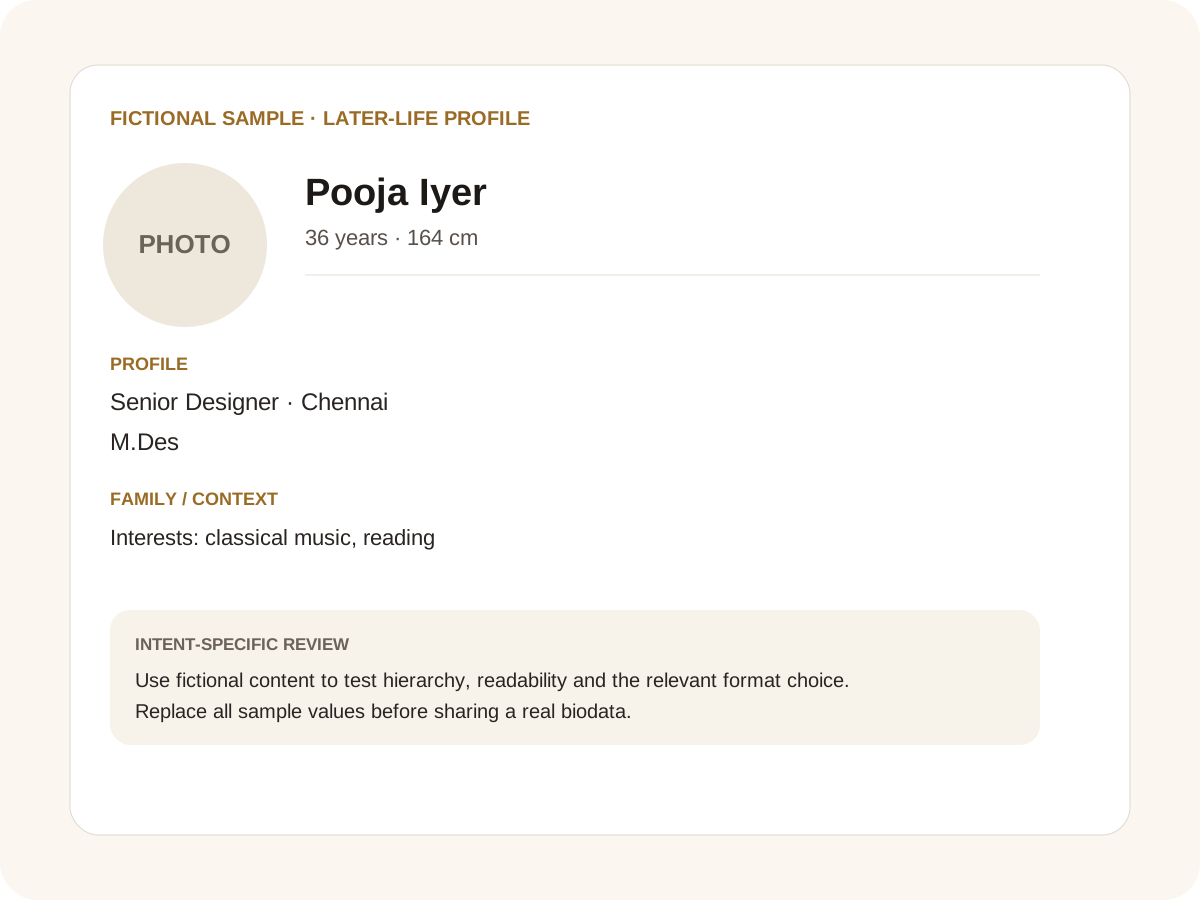
Fictional filled marriage biodata example for later-life profile
Fictional sample for layout guidance. Replace every value with your own verified information.

Filled sample

What this example demonstrates

  • ✓ A career-established profile
  • ✓ A profile emphasizing lifestyle compatibility
  • ✓ A concise expectations section for relocation and family involvement

Write for compatibility, not justification

A mature profile can be more direct than a younger profile because the person often knows what matters to them. Say whether you want to continue a career, relocate, live with parents, travel or maintain a particular lifestyle.

Avoid phrases that frame age as a problem. The biodata should communicate confidence, not ask the reader for permission to consider the person.

Family responsibilities can be important

If parents, adult children or other family responsibilities affect future plans, explain the broad situation. This can prevent misunderstandings later without disclosing private details about relatives.

The same applies to location. A mature professional may have a long-established career or home city. State what is flexible and what is not.

A strong About Me matters

Use the personal section to show what life is like now: hobbies, work interests, travel, community involvement or the kind of weekends you enjoy. This creates a fuller picture than a list of qualifications.

Partner expectations should focus on mutual respect and practical compatibility rather than a long list of age-specific conditions.

Common mistakes for this intent

  • • Apologizing for age instead of describing the present life
  • • Overloading the page with career history
  • • Using generic expectations
  • • Hiding practical location preferences

Practical examples to compare

  1. 1. A career-established profile
  2. 2. A profile emphasizing lifestyle compatibility
  3. 3. A concise expectations section for relocation and family involvement

How to use a later-life profile example

Later-life marriage searches benefit from practical information because compatibility often depends on established careers, location and family responsibilities. The fictional example does not apologise for age or hide it behind euphemisms. Instead, it shows a mature profile with clear work information, interests and expectations. That makes the document useful to readers who want to understand the person’s present routine rather than a generic description of an ideal match.

For this intent, the sample facts are deliberately fictional: Pooja Iyer is shown as the profile name, while the rest of the values establish a believable context without representing a real person. The example uses 36 years · 164 cm, Senior Designer · Chennai and M.Des to show how personal, career and education information can sit together. The family line, “Interests: classical music, reading,” demonstrates the amount of context that can be supplied without turning the first page into a family directory. Replace every value with verified information before sharing.

Three situations this format can handle

Three practical ways to use this format are worth testing. First, a career-established profile. Second, a profile emphasizing lifestyle compatibility. Third, a concise expectations section for relocation and family involvement. These are different use cases rather than three versions of the same paragraph: one prioritises the information hierarchy, another changes the family context or audience, and the third tests how the design behaves when an optional requirement is introduced. Keeping those choices explicit makes it easier to explain why a particular template or field order was selected.

Review the finished later-life profile profile

The most useful review is a content review followed by a rendering review. Check the facts, spelling, dates, relationships and location first. Then inspect the final page at the size at which a parent or prospective match will actually read it. For this page, pay particular attention to later-life profile: it should be visible enough to answer the searcher’s question but should not overwhelm the rest of the profile. If a detail does not help a genuine first introduction, remove it rather than shrinking everything else.

A practical checklist

  • ✓ Current age and personal details
  • ✓ Established career and location
  • ✓ Family responsibilities
  • ✓ Lifestyle and interests
  • ✓ Practical expectations
  • ✓ Respectful, confident language
Start a free biodata

Related biodata resources

Frequently asked questions

Only if the person wants to discuss it. The profile can focus on current life and compatibility instead of giving a defensive explanation.